
2026 National Mall Luxury Travel Guidebook: Walking Routes, Museums, & Tips
The National Mall is one of the first places many people picture when they think about Washington, DC. Visitors can see major memorials, walk past the Washington Monument, visit Smithsonian museums, and take in views of the Reflecting Pool and U.S. Capitol. A good plan to explore the National Mall can make the difference between a relaxed day and a rushed list of stops.
Whether you are traveling with family, planning a school trip, organizing a senior outing, or arranging a group visit, this National Mall luxury travel guidebook covers the major landmarks, practical routes, transportation, museums, and visitor tips.
What Is the National Mall?
The National Mall is the broad park area at the center of Washington, DC, surrounded by many of the capital’s best-known monuments, memorials, museums, and government landmarks.
For first-time visitors, there is a lot to see. The National Mall is fee-free, and many outdoor sites can be visited without admission, although some attractions require tickets or timed entry. NPS says its sites are generally open 24 hours a day, with the Washington Monument operating on a different schedule.
What Are the Best Things to See at the National Mall?
Lincoln Memorial
The Lincoln Memorial is one of the most recognizable sites in Washington, DC. The memorial’s broad steps look toward the Reflecting Pool and Washington Monument, making this a great endpoint for a west-to-east walking route. Give yourself time to walk inside, see the Lincoln statue, and take in the view from the steps.
Washington Monument
The Washington Monument stands near the center of the National Mall and is one of the city’s defining landmarks. Visitors can tour the monument and reach its observation level, but ticket and operating information can change, so check current National Park Service guidance before planning your visit.
World War II Memorial
Located between the Washington Monument and Lincoln Memorial, the World War II Memorial is an easy addition to a central Mall walking route. Its architecture, columns, fountains, and inscriptions provide plenty to see without requiring a long detour.
Vietnam Veterans Memorial
The Vietnam Veterans Memorial is known for its long, reflective wall bearing the names of Americans who served and died in the Vietnam War. It’s a quieter stop than some of the larger monuments, so plan to slow down and be respectful while visiting.
Korean War Veterans Memorial
The Korean War Veterans Memorial features stainless-steel figures representing members of the armed forces. Its location makes it easy to combine with the Lincoln Memorial and Vietnam Veterans Memorial when planning a west-end route.
Martin Luther King Jr. Memorial
Near the Tidal Basin, the Martin Luther King Jr. Memorial honors the civil rights leader and his legacy. Its location makes it especially useful for a longer itinerary that includes the Tidal Basin and nearby memorials.
Thomas Jefferson Memorial
The Thomas Jefferson Memorial sits along the Tidal Basin and can be added to a longer National Mall itinerary. It’s farther from the central Mall landmarks, so account for the extra walking time when building your schedule.
Reflecting Pool
The Reflecting Pool stretches between the Lincoln Memorial and Washington Monument. It’s one of the most photographed areas of the Mall and also serves as a useful reference point when planning your route.
What Is the Best Time to Visit the National Mall?
- Early morning: Start early if you want cooler temperatures, quieter paths, and a comfortable pace.
- Late afternoon and evening: This can be a good choice for visitors who want to see the monuments as daylight changes and continue into the evening.
- Spring: Cherry blossom season draws especially large crowds around the Tidal Basin. If blossoms are a priority, build extra time into your schedule.
- Summer: Longer daylight hours are useful, but Washington’s heat and humidity can make a long walking route tiring.
- Fall: September through November can offer comfortable sightseeing weather and fall color.
- Winter: Cold weather can mean fewer visitors, but you will need warm clothing and a plan for shorter daylight hours.
How Long Do You Need to Visit the National Mall?
You can see the highlights in a few hours, but trying to cover every monument and museum in one visit is unrealistic.
- 2-3 hours: Focus on the Washington Monument, World War II Memorial, Reflecting Pool, and Lincoln Memorial.
- Half day: Add the Vietnam Veterans Memorial, Korean War Veterans Memorial, and one Smithsonian museum.
- Full day: Combine several memorials with one or two museums, leaving time for breaks.
- Two days: Spread out the museums, memorials, Capitol area, and Tidal Basin instead of rushing between them.
Underestimate walking time and your schedule can unravel. Build space between stops, especially for children, seniors, or anyone who needs regular breaks.
National Mall Walking Routes and Itineraries
2-Hour National Mall Walking Route
Start near the Washington Monument and head toward the World War II Memorial. From there, continue along the Reflecting Pool toward the Lincoln Memorial.
Half-Day National Mall Itinerary
Start at the Washington Monument, then visit the World War II Memorial before walking toward the Reflecting Pool and Lincoln Memorial. Continue to the Vietnam Veterans Memorial and Korean War Veterans Memorial.
If your timing allows, choose one Smithsonian museum rather than trying to fit several into the same afternoon.
Full-Day National Mall Itinerary
Start earlier and use the morning for outdoor memorials. Schedule a museum visit around midday, when a climate-controlled indoor break can be welcome during warmer months.
Return outdoors in the afternoon for additional memorials or the Tidal Basin, depending on your interests. Finish near sunset at a major viewpoint.
How Do You Get to the National Mall?
Washington Metro is generally one of the most practical ways to reach the National Mall. NPS also recommends public transportation and notes that visitors can use Metro, local buses, and Capital Bikeshare to reach Mall sites.
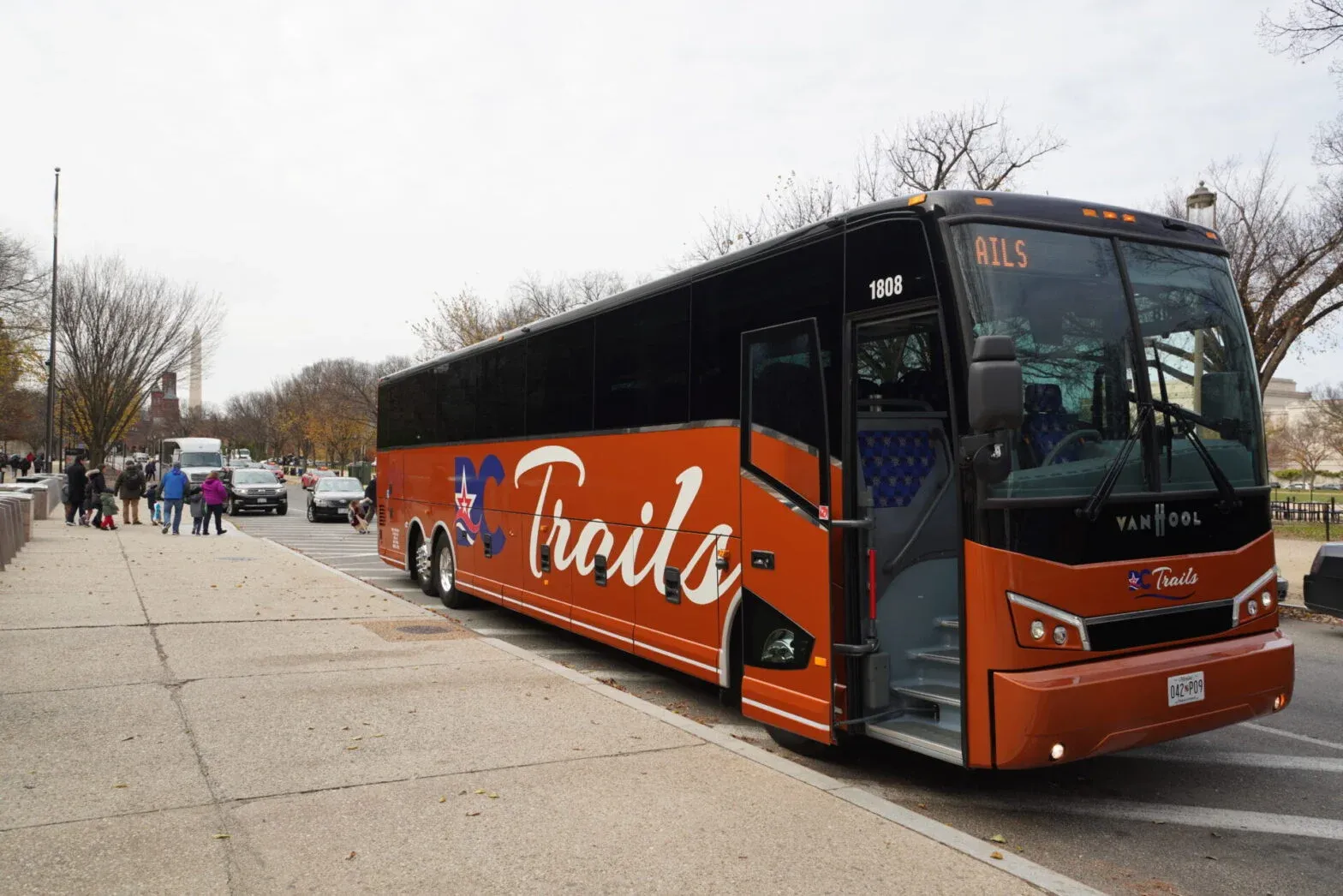
Driving is another option, but parking can be difficult in the heart of the city. For organized groups, a private charter bus with DCTrails can simplify the transportation side of the day by keeping everyone together instead of coordinating multiple cars.
Where Can You Park Near the National Mall?
Parking around the National Mall is limited, so don’t build your itinerary around finding a space directly beside your first attraction.
Current NPS information lists metered street parking throughout parts of the Mall area, along with parking lots and free parking at Hains Point in East Potomac Park. Metered parking is currently enforced daily from 7 a.m. to 8 p.m., with rates and time limits varying by location. NPS also lists designated motorcoach parking and loading/unloading areas, but availability is limited. Check the latest NPS parking information before your trip because regulations and construction can change.
For a large group, a charter bus can reduce the need to coordinate several private vehicles and designated bus loading areas. DCTrails utilizes designated group drop-off locations that are pre-communicated to your group in advance, making arrival clear and straightforward.
Which Museums Should You Visit Near the National Mall?
National Air and Space Museum
The perfect choice for visitors interested in aviation, spacecraft, and the history of flight. Check current visitor requirements and timed-entry information before arriving.
National Museum of Natural History
A strong family-friendly option, with exhibits covering dinosaurs, animals, geology, and other areas of natural history.
National Museum of American History
This museum explores American history and culture through objects, exhibitions, and stories spanning many periods and subjects.
National Museum of African American History and Culture
The museum examines African American history and culture through extensive collections and exhibitions. Because visitor access requirements can vary, check current Smithsonian guidance before your trip.
Tips for Visiting the National Mall
A little preparation makes a long sightseeing day easier.
- Wear comfortable walking shoes.
- Carry water, especially during warmer months.
- Use sunscreen and prepare for direct sun.
- Check the forecast before leaving.
- Plan restroom and meal breaks.
- Bring a portable phone charger.
- Save a map before starting your walk.
- Check attraction hours and ticket requirements.
- Allow extra time between stops.
- Keep valuables secure in crowded areas.
- Build in breaks for children and older adults.
- Avoid packing too many attractions into one itinerary.
For accessibility, NPS says major monuments and memorials are wheelchair accessible. The agency also provides accessibility resources, including braille materials and ASL interpretation by request. Visitors should check individual attractions in advance for specific access details and arrangements.
Visiting the National Mall With a Group
A group visit requires a little more coordination than a solo sightseeing day. Someone has to keep track of transportation, walking distances, meal and restroom breaks, timing, and different mobility levels.
Transportation can also affect how smoothly the day comes together. With a charter bus, the group can travel together rather than coordinating multiple cars, rideshares, or other transportation options. DCTrails provides luxury charter bus service for groups traveling to Washington, DC, giving everyone a shared starting point and a comfortable place to return to between activities.
Depending on the vehicle, amenities can include reclining seats, climate control, Wi-Fi, power outlets, luggage storage, and onboard restrooms.
DCTrails’ fleet includes full-size motorcoaches, and the company maintains 24-hour dispatch and established driver and vehicle safety procedures.
Plan Your National Mall Visit With DCTrails
The National Mall is easiest to enjoy when your route matches the time you have. Pick priority memorials, choose one or two museums, and leave room for breaks.
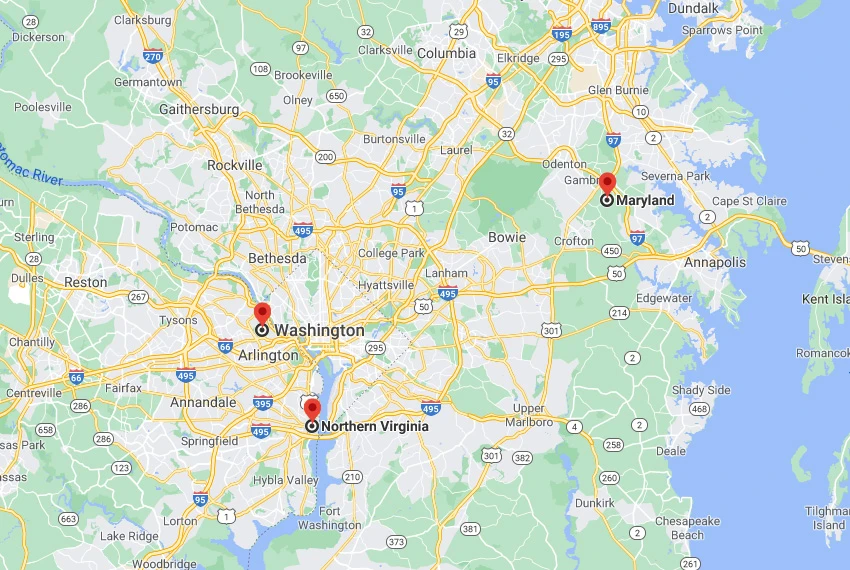
DCTrails provides charter bus rentals and luxury private tours for groups traveling to Washington, DC, helping keep transportation organized from the start of the day through the trip home. Our company serves groups from Northern Virginia, Washington, DC, Maryland, and destinations across the continental U.S. and Canada.
Planning a school trip, senior outing, family gathering, corporate event, or other group visit? Talk with DCTrails about your transportation needs. Request a charter quote today.
Frequently Asked Questions About Visiting the National Mall
Is the National Mall free to visit?
Yes. The National Mall and Memorial Parks are fee-free, and many outdoor monuments and memorials do not require admission. Some individual attractions, including the Washington Monument, require timed-entry tickets or reservations. Check current attraction requirements before visiting.
How long does it take to walk the National Mall?
It depends on your route and how long you spend at each stop. A focused 2-3-hour route can cover the Washington Monument, World War II Memorial, Reflecting Pool, and Lincoln Memorial. A full day allows time for additional memorials and museums.
What is the best time to visit the National Mall?
Early morning is useful for visitors who prefer cooler temperatures and fewer crowds. Late afternoon and evening can work well for changing light and illuminated monuments. Spring brings cherry blossom crowds, while summer can be hot and humid.
Can you visit the National Mall at night?
Yes. NPS says National Mall sites are generally open 24 hours a day, although individual attractions have their own operating schedules. The Washington Monument is an exception to the general 24-hour site access. Check current information before planning an evening visit.
Where do you park for the National Mall?
NPS provides metered parking and designated parking areas throughout parts of the Mall, along with free parking at Hains Point. Motorcoach parking and loading areas are also available in designated locations. Because parking is limited, check current NPS information before driving.
Can you see the National Mall in one day?
Yes, if you prioritize. A full day can cover several major memorials and one or two museums. Trying to see every attraction in one day will leave little time to enjoy individual sites or take needed breaks.
What museums are on the National Mall?
Major options include the National Air and Space Museum, National Museum of Natural History, National Museum of American History, National Museum of African American History and Culture, National Museum of the American Indian, and National Gallery of Art.
Is the National Mall accessible for visitors with mobility needs?
Yes. NPS states that all major monuments and memorials are wheelchair accessible, although specific facilities and historic spaces can vary. Check individual attraction information before your visit, and plan routes that allow additional time between stops.



Looking for a reliable and simple way to book a charter bus service? You have come to the right place. Reach out to us with your requirements or queries and we will walk you through the step-by-step process to help you plan the perfect trip to Washington DC.